
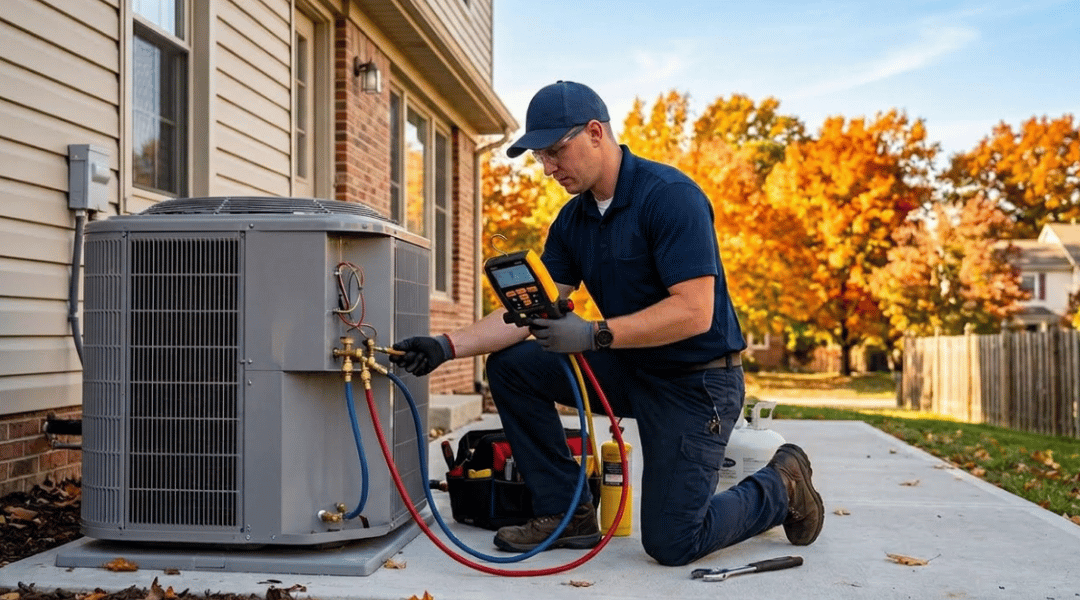
North Carolina fall has a funny way of making your thermostat work both sides of the aisle.
You might have the AC running after lunch, open the windows by dinner, and wake up the next morning thinking, Okay, where did we leave the heat?
Just when you think the AC is done for the year, another warm afternoon rolls through. Then the first chilly morning arrives and suddenly you’re wondering whether the heat is ready to go.
After more than 30 years of working on heating systems across Central and Eastern North Carolina, the team at Dolan Design Heating & Cooling knows this in-between season is one of the best times to give your system some attention.
Before colder weather puts it back to work, there are a few things worth checking.
And don’t worry, we’re not asking you to break out your toolbox.
Most of this fall HVAC checklist can be knocked out pretty quickly, and it could help you catch a problem now instead of discovering it when you actually need the heat.
Quick Answer: How Do I Prepare My HVAC System for Fall?
Prepare your HVAC system for fall by checking the filter, testing the heat, adjusting your thermostat, clearing vents and outdoor equipment, and watching for unusual sounds or odors. Scheduling a professional fall tune-up can also help catch problems before you depend on your heat every day.
Your Fall HVAC Checklist at a Glance
☐ Check or replace a dirty filter
☐ Test the heat before you actually need it
☐ Update your thermostat for cooler weather
☐ Make sure vents and returns aren’t blocked
☐ Clear leaves and debris around outdoor equipment
☐ Listen and look for anything unusual
☐ Schedule fall HVAC maintenance
Let’s knock these out before the first cold snap does the reminding for you.
1. Start With the HVAC Filter
Don’t worry about remembering exactly when you changed it last. Pull the filter out and look at it.
If it’s heavily coated in dust, pet hair, or other buildup, replace it with the correct size and type for your system.
A dirty filter can restrict airflow and make your HVAC system work harder. After months of North Carolina heat, pollen, dust, and steady AC use, yours may be ready for a fresh start.
Quick tip: Check it again a few weeks into heating season. How quickly a filter gets dirty varies from home to home, so looking at its actual condition is often more useful than relying on the typical three-month schedule.
2. Turn the Heat On Before You Actually Need It
Please don’t make the first freezing morning your heating system’s trial run.
Choose a mild fall day, switch the thermostat to heat, and raise the temperature a few degrees. Once it starts running, check for a few things:
- Warm air: Is it coming through the vents?
- Normal operation: Does the system start and stop like it should?
- Even comfort: Are some rooms noticeably colder than others?
- Unusual sounds: Do you hear anything new or especially loud?
- Strange smells: Does anything smell burnt, electrical, or smoky?
A mild dusty smell the first time you turn on the heat isn’t necessarily unusual and should fade fairly quickly. A strong or persistent burning, electrical, or smoky odor is different. Turn the system off and have it checked.
You’re not trying to diagnose your heating system here. You’re simply testing it while there’s still time to fix a problem before you really need the heat.
3. Give Your Thermostat a Fall Reset
It may be fall, but your thermostat might have missed the memo.
If you have a programmable or smart thermostat, take a few minutes to make sure its heating schedule still matches your household’s routine. There’s little benefit in heating an empty house as though everyone is sitting in the living room.
While you’re there:
- Make sure the thermostat is set to Heat
- Replace batteries if your model uses them
- Check that the displayed indoor temperature seems accurate
- Update schedules for when you’re home, away, or asleep
You don’t need an extreme temperature setback to save energy. The goal is to find settings that keep your family comfortable without asking the system to do unnecessary work.
4. Check Your Vents Inside and Your Equipment Outside
This one is basically a quick walk around the house.
Start with the supply and return vents. Make sure furniture, rugs, curtains, storage boxes, or your dog’s bed haven’t ended up blocking airflow.
It’s also worth reopening any vents that may have been closed during summer. If one room is consistently too hot or too cold, closing a bunch of vents isn’t necessarily the best fix. An airflow or comfort problem may be worth having checked instead.
Then head outside.
Leaves, pine needles, weeds, and other yard debris can collect around outdoor HVAC equipment during fall. Clear away loose debris and trim back vegetation that’s crowding the unit.
You don’t need to open the cabinet or reach inside. Just give the equipment room to breathe and look for anything obviously out of place.
Have a heat pump? Don’t cover the outdoor unit for winter. Unlike a traditional AC-only outdoor unit, your heat pump uses that equipment to help heat your home.
5. Pay Attention to Anything That Seems “Off”
You live with your HVAC system every day, which means you probably have a pretty good idea of what it normally sounds and feels like.
Fall is a good time to pay attention when something changes.
During your heating test run, watch for:
- New banging, grinding, squealing, or buzzing
- Repeated starting and stopping
- Weak airflow
- Rooms that aren’t warming evenly
- Heat that doesn’t seem warm enough
- Unusual or persistent odors
- Repeated breaker trips
- A system that seems to run much longer than expected
A strange sound doesn’t automatically mean you’re facing a major heating repair, but new symptoms are worth investigating before the system is running every day.
And if your home has fuel-burning heating equipment, add one more quick job to the list: test your carbon monoxide alarms according to the manufacturer’s instructions. If an alarm ever sounds, treat it seriously and follow the manufacturer’s and local emergency guidance.
6. Schedule Your Fall HVAC Tune-Up
The homeowner portion of the maintenance checklist ends here.
Changing filters, checking vents, clearing debris, and testing the thermostat are all reasonable DIY jobs. Opening equipment panels, troubleshooting electrical components, adjusting gas or combustion equipment, and making internal repairs are not.
That’s where a professional fall HVAC tune-up comes in.
A technician can take a closer look at system operation, electrical components, controls, airflow, heating components, and signs of wear that aren’t obvious during your walk-around.
Fall maintenance isn’t about finding an excuse to repair something. It’s about giving your heating system a chance to show us a problem before you need it working around the clock.
And if you’d rather make seasonal HVAC care one less thing to remember, Dolan’s HVAC maintenance plan can help you stay on top of routine service throughout the year.
If everything checks out, you can head into heating season with a little more peace of mind.
Frequently Asked Questions About Fall HVAC Maintenance
Do I need HVAC maintenance if my system seems to be working fine?
Yes, fall HVAC maintenance can still be worthwhile even when your system seems to be working normally. A tune-up gives a technician a chance to spot worn components, airflow problems, or other developing issues that may not be noticeable yet. It can also help make sure your heating system is ready before colder weather puts it to work every day.
When should I schedule fall HVAC maintenance in North Carolina?
Early fall is a good time to schedule HVAC maintenance in North Carolina, ideally before you need your heat on a regular basis. You’ll have time to address any problems that turn up instead of finding them during the first cold snap, when heating service calls tend to pick up.
Do heat pumps need maintenance in the fall?
Yes, heat pumps should be checked in the fall because they work during both cooling and heating seasons. After spending the summer cooling your home, fall maintenance gives the system a check before it switches into regular heating duty. If you’ve noticed unusual noises, weak airflow, poor heating, or other problems, it may be time for heat pump repair rather than routine maintenance alone.
What is included in a fall HVAC tune-up?
A fall HVAC tune-up typically includes checking system operation, electrical components, controls, airflow, and heating components for signs of wear or problems. The exact service depends on whether your home uses a furnace, heat pump, or another type of heating system. Your technician can also point out developing issues that may need attention before winter.
Should I get my HVAC system serviced every fall?
Having your heating system serviced each fall can help you head into colder weather knowing the equipment has been inspected and is operating properly. Regular maintenance can also help catch small problems earlier, support efficient operation, and reduce the chance of preventable breakdowns. Always follow the maintenance schedule recommended for your specific equipment.
Get Ahead of the First Cold Snap
Fall gives you something that’s harder to come by once winter weather settles in: a little time to plan ahead.
Taking care of your HVAC system now means you’re less likely to be caught off guard when temperatures drop and your heat suddenly becomes something you depend on every day.
Dolan Design Heating & Cooling has spent more than 30 years helping homeowners across Central and Eastern North Carolina stay comfortable through every season.