

Duct Cleaning
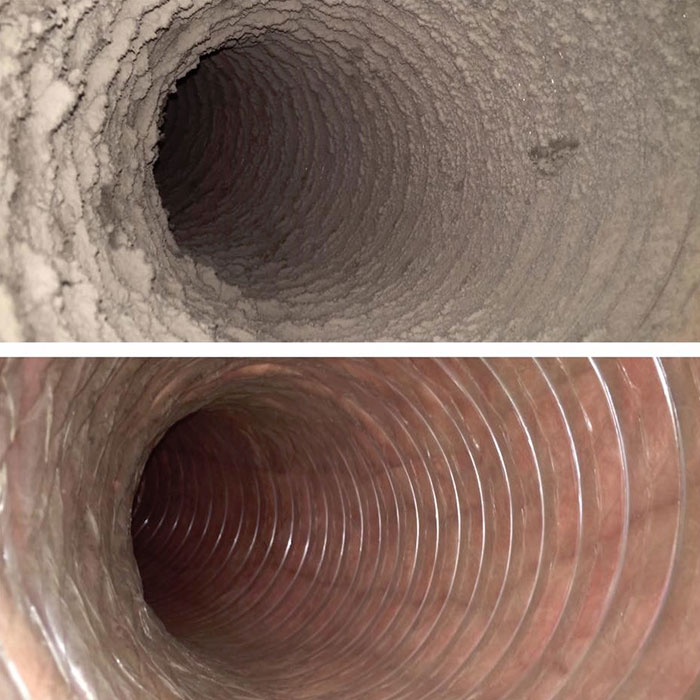
- Better indoor air quality: Ducts collect dust, pollen, pet dander, and debris that get recirculated through the house every time the system runs.
- Allergen and irritant reduction: Removing built-up particulates helps people sensitive to dust, mold spores, and dander.
- Mold and microbial growth: Moisture in ductwork, especially near AC coils, can support mold and bacteria that spread through the vents.
- Pest debris: Rodents and insects can leave droppings, nesting material, or carcasses in ducts.
- Post-renovation cleanup: Construction dust, drywall particles, and sawdust settle in ducts and keep circulating long after the work ends.
- System efficiency: Heavy buildup on blower components and coils restricts airflow, so the HVAC system works harder and uses more energy.
- Longer equipment life: Less strain on the blower motor and other components reduces wear and repair costs.
- Odor removal: Trapped dust, smoke residue, pet odors, and mustiness can be released each time the system kicks on.
- Even airflow: Clearing obstructions helps air reach every room, reducing hot and cold spots.
- Recommended frequency: Typically every 3–5 years, or sooner with pets, smokers, renovations, visible mold, or pest problems.
Dryer Vent Cleaning
- Fire prevention: Lint is highly flammable, and clogged dryer vents are a leading cause of home dryer fires (thousands per year in the U.S.).
- Carbon monoxide risk: For gas dryers, a blocked vent can push carbon monoxide back into the home.
- Faster drying: A clear vent lets moist air escape, so loads dry in one cycle instead of two or three.
- Lower energy bills: Shorter drying times mean less electricity or gas used per load.
- Longer dryer life: Restricted airflow causes overheating that wears out heating elements, thermostats, fuses, and motors.
- Clothing care: Excessive heat from poor venting can damage fabrics and cause shrinkage.
- Moisture and mold control: Trapped humid air can lead to condensation, mold, and mildew in the laundry area or inside walls.
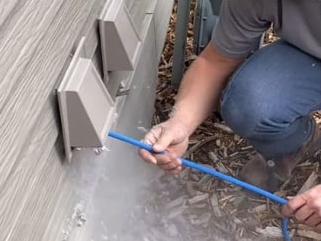
- Pest and nest blockages: Birds and rodents often nest in exterior vent openings.
- Warning signs: Clothes taking longer to dry, the dryer or laundry room feeling unusually hot, a burning smell, lint around the exterior vent flap, or the flap not opening while the dryer runs.
- Recommended frequency: At least once a year, more often for large households, long vent runs, or heavy dryer use. The lint trap should still be cleaned after every load.