
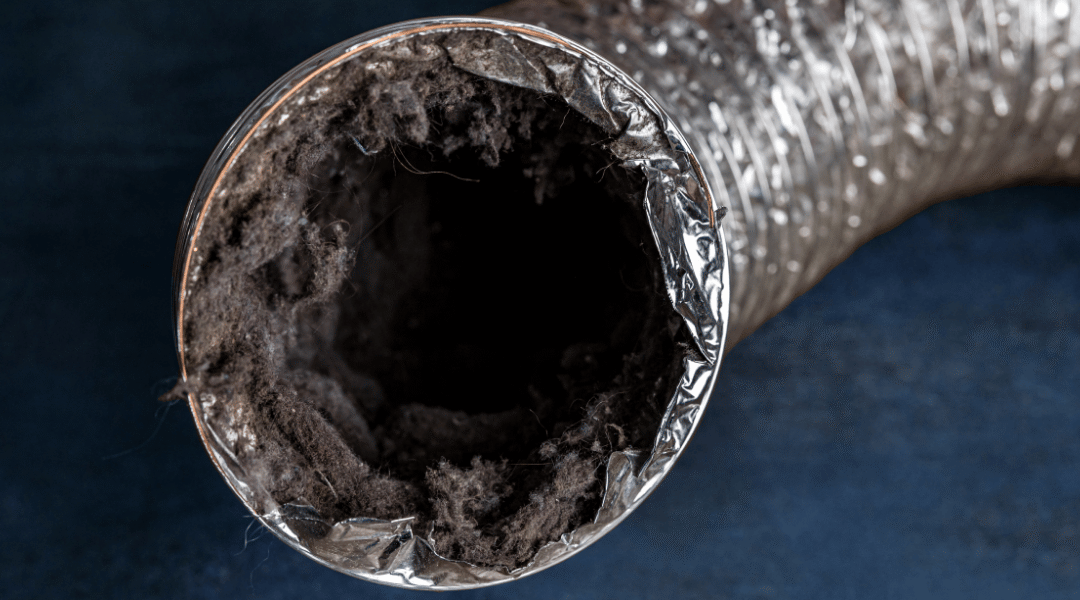
You probably know where dust likes to collect in your house. On the ceiling fans, along the baseboards, and somehow, on that coffee table you swear you just cleaned.
But what about the places you can’t see?
Your air ducts spend all year moving heated and cooled air throughout your home, mostly out of sight and out of mind. After another long North Carolina summer, though, you might start wondering what has been collecting inside them.
Maybe you’ve noticed a dusty smell when you first turn on the heat. Or perhaps you’re seeing more dust around the vents and wondering if your ductwork has something to do with it.
At Dolan Design Heating & Cooling, we’ve spent more than 30 years helping homeowners across Central and Eastern North Carolina better understand their HVAC systems and what it takes to keep them running properly.
With cooler weather settling in, now’s a good time to take a closer look at what might be hiding in your air ducts, what’s perfectly normal, and what deserves a little attention.
Quick Answer: What Can Build Up Inside Your Air Ducts?
Air ducts can collect dust, pollen, pet dander, dirt, and other airborne particles over time. Moisture problems may also lead to mold growth, while pest infestations can leave behind debris or droppings. However, some dust buildup is normal, and dirty air ducts don’t always require professional cleaning.
1. Dust, Dust, and More Dust
Let’s start with the least surprising culprit.
Even in a well-kept home, dust is unavoidable. Everyday activities like walking around, cooking, changing clothes, and having pets can release particles into the air.
Your HVAC system circulates air throughout the house, and some of those particles can settle inside the ductwork over time.
Here in North Carolina, our pollen seasons and humid summers can add to the mix. By the time fall rolls around, your system has already spent months moving air through your home.
But just because there’s a bit of dust inside your ducts doesn’t automatically mean there’s a problem.
If you’re constantly wiping down dusty surfaces, however, don’t assume the ducts are the only possible cause. Dirty filters, air leaks, household activities, and other indoor air quality issues may also contribute.
What to check: Remove a supply vent cover if it’s easy and safe to do so, and look just inside with a flashlight. A light coating of dust isn’t unusual. Heavy debris buildup or material blowing out of the vents deserves a closer look.
2. Pollen and Pet Dander That Follow You Indoors
You don’t have to leave your windows open for outdoor allergens to find their way inside.
Pollen comes in on shoes, clothing, and pets. Pet dander and other small particles are already part of everyday life in many households.
Your HVAC filter helps capture airborne particles, but filtration effectiveness depends on the filter, system airflow, and how well everything fits and operates.
Some particles may eventually settle inside the ductwork.
Does that mean cleaning your ducts will solve your family’s allergies?
Not necessarily.
The EPA’s guidance on air duct cleaning explains that routine duct cleaning hasn’t been shown to prevent health problems, and dust inside ducts doesn’t necessarily enter your living space.
For most homeowners, checking the filter, addressing indoor pollutant sources, and keeping the HVAC system properly maintained are better starting points than assuming every sneeze calls for duct cleaning.
3. Moisture and Mold: The Problem Worth Taking Seriously
Dust may be common, but moisture inside your HVAC system is a different story.
North Carolina summers bring plenty of humidity, and cooling systems naturally produce condensation as they remove moisture from indoor air.
When everything is working properly, that water drains away.
But clogged condensate drains, leaks, poorly insulated ductwork, or other moisture problems can create conditions where mold may develop.
Signs that deserve attention include:
- Visible growth around vents or accessible ductwork
- Persistent musty odors when the HVAC system runs
- Water stains near duct connections or ceiling vents
- Damp insulation or signs of condensation
- Recurring moisture problems around HVAC equipment
A musty smell alone doesn’t prove there’s mold inside your ducts. The source could be elsewhere in the system or home.
And if mold is present, cleaning the visible buildup without correcting the moisture source won’t solve the underlying problem.
That’s why the first step should be finding out where the moisture is coming from.
4. The Occasional Unwanted Houseguest
Here’s one nobody particularly enjoys thinking about.
Ductwork can sometimes become an attractive hiding place for pests, especially when there are damaged sections, openings, or accessible connections.
Rodents and insects may enter through gaps and leave behind nesting materials, debris, or droppings.
Fortunately, this isn’t something every homeowner needs to worry about.
But if you’re hearing scratching noises near ductwork, finding signs of pests around vents, or noticing unexplained odors, it’s worth investigating.
Avoid reaching into contaminated ductwork or trying to vacuum out animal waste yourself. Pest removal, contamination cleanup, and sealing entry points may require professional attention.
Why Do You Notice Strange Vent Smells More in the Fall?
During North Carolina’s milder fall weeks, your HVAC system may not run as consistently as it did during summer. Then one chilly morning arrives, and you finally switch on the heat.
Suddenly, there’s an unfamiliar smell.
A brief dusty odor when the heat first turns on can be normal, especially with certain heating systems that haven’t operated in months. Dust on heating components may produce an odor as they warm up.
That doesn’t necessarily mean your air ducts are full of dirt.
However, you shouldn’t ignore a strong or persistent burning smell, electrical odor, visible smoke, or a musty odor that keeps returning.
Turn the system off and arrange professional service when an odor suggests a problem. If you suspect a gas leak, leave the area and contact your gas utility or emergency services from a safe location.
The important thing is figuring out where the smell is actually coming from before deciding what needs to be cleaned or repaired.
Do You Actually Need Your Air Ducts Cleaned?
A dusty-looking vent isn’t enough reason to schedule an expensive cleaning service.
The EPA recommends considering duct cleaning in situations involving substantial visible mold growth in certain HVAC components, pest infestation, or excessive dust and debris that is being released into the home.
So how do you know whether it’s worth looking into?
| What you’re noticing | What to consider |
| A little dust around vent covers | Clean the covers and check your filter first |
| Dust blowing visibly from supply vents | Have the ductwork and HVAC system evaluated |
| Persistent musty smells | Investigate possible moisture problems |
| Signs of rodents or insects | Address the infestation and any contamination |
| Uneven heating or weak airflow | Check for airflow restrictions, leaks, or equipment problems rather than assuming dirt is the cause |
The goal isn’t to clean something just because you can’t see inside it. It’s to identify an actual problem and choose the right solution.
What Can You Do This Fall to Keep Your Ducts in Better Shape?
You don’t need special equipment or a weekend devoted to crawling around the attic.
A few habits can help keep dust and debris from becoming bigger concerns:
- Check your HVAC filter. Replace it when dirty, using the correct size and a filter type compatible with your equipment.
- Keep vents and returns clear. Furniture, rugs, and other obstructions can interfere with airflow.
- Clean accessible vent covers. A vacuum attachment or damp cloth can remove surface dust without disturbing the ductwork.
- Watch for moisture. Water stains, damp spots, or persistent musty smells should be investigated.
- Schedule seasonal HVAC maintenance. A technician can check system operation and identify airflow or moisture concerns that may need attention.
Fall is particularly convenient for these checks because you’re transitioning from cooling to heating. It’s a chance to address anything unusual before the system becomes part of your daily winter routine.
And if you’d rather stay ahead of seasonal maintenance without having to remember every appointment, Dolan’s HVAC maintenance plan can help you keep routine system care on the calendar.
Frequently Asked Questions About Dirty Air Ducts
How often should residential air ducts be cleaned?
There is no universal schedule requiring residential air ducts to be cleaned every few years. Cleaning is generally more appropriate when there’s evidence of excessive debris, pest infestation, or certain mold-related problems. The condition of your ductwork matters more than an arbitrary cleaning interval.
Can dirty air ducts make your house smell?
Yes, contaminated ductwork can sometimes contribute to unpleasant odors, especially if pests or moisture-related problems are present. However, smells coming from vents can also originate from heating equipment, cooling components, or other areas of the home. Identifying the source is important before arranging cleaning.
Can leaky air ducts make my energy bills higher?
Yes. Leaky ductwork can waste heated or cooled air before it reaches your living spaces, making it harder to maintain comfortable temperatures. This can increase energy use, particularly when ducts run through unconditioned attics or crawlspaces. Sealing and repairing duct leaks may be more beneficial than cleaning ducts that are otherwise in good condition.
Is duct cleaning the same as HVAC maintenance?
No. Duct cleaning focuses on removing contaminants from ductwork, while HVAC maintenance involves checking the operation and condition of heating and cooling equipment. Depending on the problem, a home may need one service, both, or neither. A professional evaluation can help determine what’s appropriate.
Before You Blame the Ducts, Find Out What’s Going On
It’s natural to wonder what’s circulating through the hidden parts of your home, especially when you start noticing dust or unfamiliar smells as the weather cools down.
But the answer isn’t always a duct cleaning appointment.
Sometimes it’s a filter that needs replacing. Sometimes there’s an airflow or moisture issue that deserves attention. And sometimes, the dust inside your ductwork is simply part of normal household life.
Dolan Design Heating & Cooling has helped homeowners throughout Central and Eastern North Carolina care for their HVAC systems for more than 30 years. If you’re noticing unusual odors, airflow problems, or other concerns as the heating season begins, our team can help evaluate what’s happening and explain the next step without recommending work you don’t need.
Contact Dolan Design Heating & Cooling to schedule HVAC service and get your home ready for the cooler months ahead.